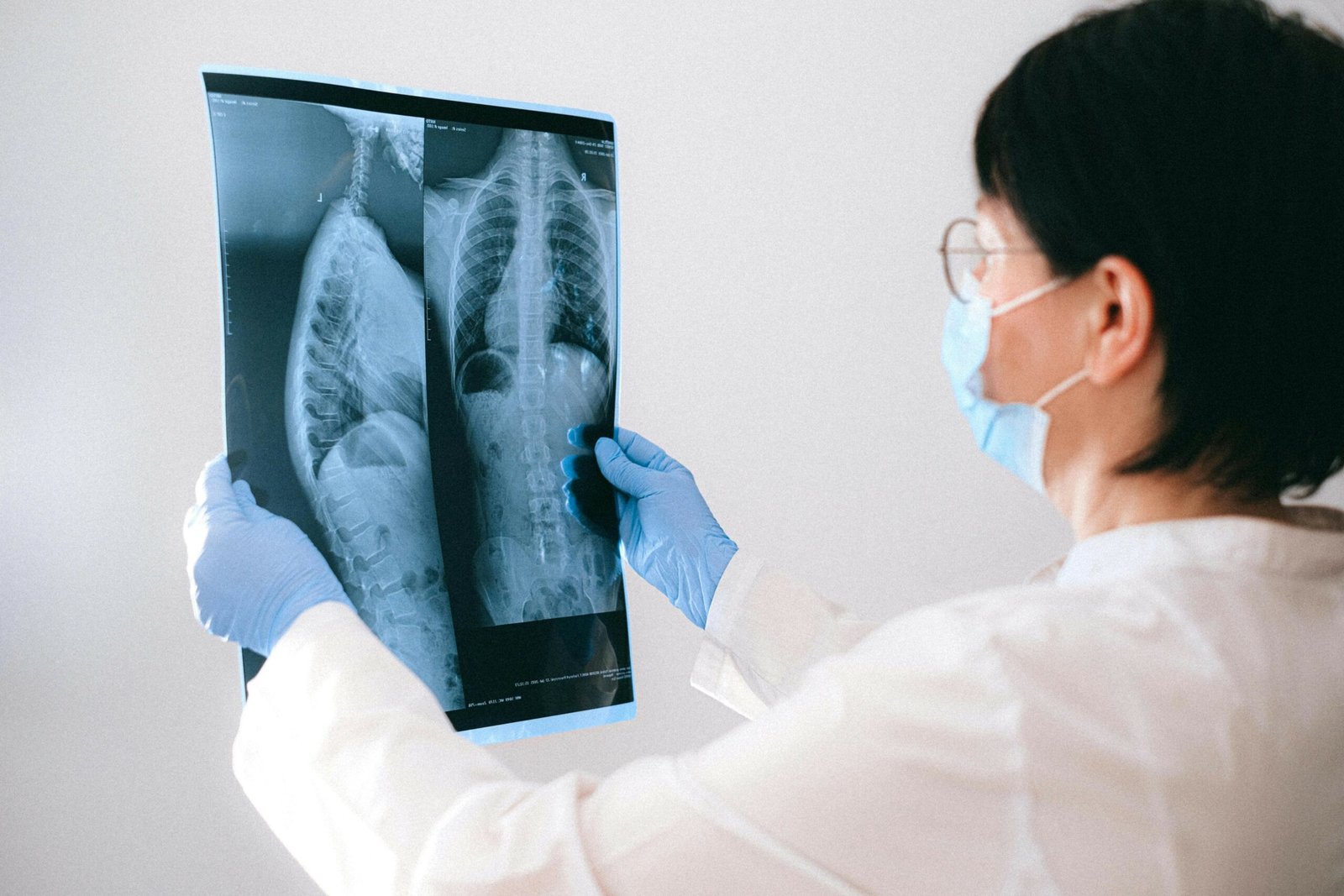
Traditionally, rib fractures have been treated simply with rest, pain medication, and breathing exercises. While these methods remain important, they often fail to address the core issue: the physical instability of the fractured rib itself (Chrisofix IFU, 2025). Modern trauma care has shifted toward more targeted approaches that support both stabilization and natural respiratory function (Işıklı et al., 2024).
Why Old Methods are No Longer Recommended
In the past, tight chest bandaging or circumferential rib belts were commonly used to limit movement (Chrisofix IFU, 2025). However, this approach is no longer recommended by medical professionals (Chrisofix IFU, 2025).
- Restricted Breathing: Tight bandages prevent the chest from expanding fully, which is essential for healthy lung function (Chrisofix IFU, 2025).
- Increased Risks: Restricting chest movement significantly increases the risk of dangerous complications such as atelectasis (lung collapse) and pneumonia (Chrisofix IFU, 2025; Ozgur et al., 2025).
A Modern Solution: External Rib Stabilization - The Chrisofix® Rib Splint,
One of the most advanced non-invasive options available today is the Chrisofix® Rib Splint, a Swiss-developed external stabilization system (Chrisofix IFU, 2025). Unlike traditional belts, this splint is applied directly over the injured area and moulded to the patient’s specific anatomy (Chrisofix IFU, 2025).
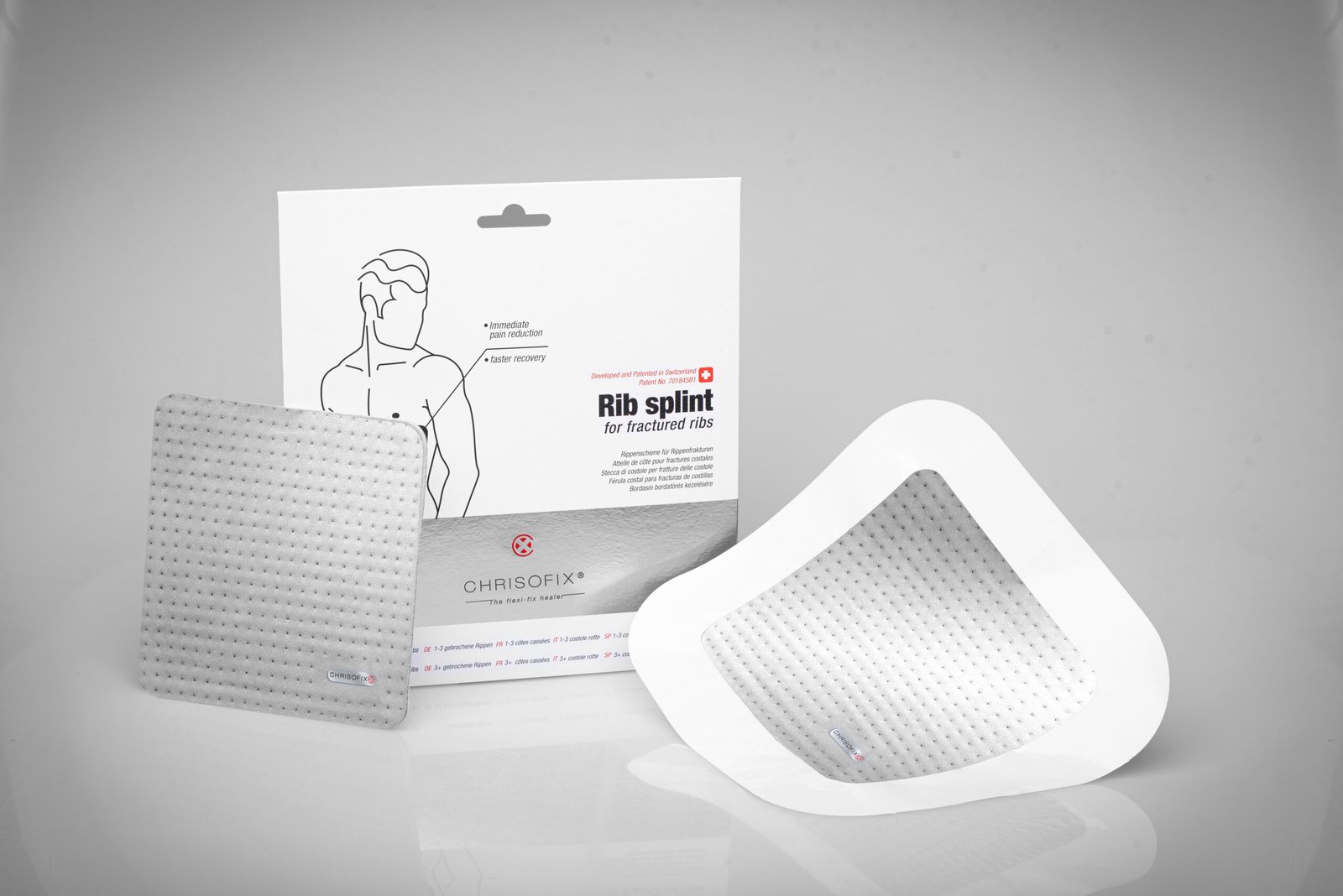
- Localized Stability: It stabilizes the fractured rib segment externally, reducing painful micro-movements (Chrisofix IFU, 2025).
- Breathable and Safe: The splint allows the chest to expand naturally during breathing, which supports overall respiratory health (Chrisofix IFU, 2025).
- Clinical Benefits: Studies have shown that patients using this external stabilization experienced significantly lower pain scores and a reduced incidence of atelectasis compared to standard care (Işıklı et al., 2024; Ozgur et al., 2025).
The Impact on Recovery Time
The use of specialized external stabilization does more than just reduce pain; it actively speeds up functional recovery (Işıklı et al., 2024).
- Shorter Hospital Stays: Clinical data indicates that hospital stays were reduced from an average of 2.7 days to 2.0 days when using the rib splint (Ozgur et al., 2025).
- Improved Lung Hygiene: By reducing pain during deep breaths and movement, the splint allows for better clearance of airway secretions (Işıklı et al., 2024).
- Faster Return to Routine: When pain is effectively managed and breathing is preserved, the body is in a much better position to heal efficiently and return to daily activities (Işıklı et al., 2024; Ozgur et al., 2025).
By choosing a stabilization method that focuses on both comfort and safety, you can significantly optimize your recovery, making it smoother, less painful, and far less complicated.