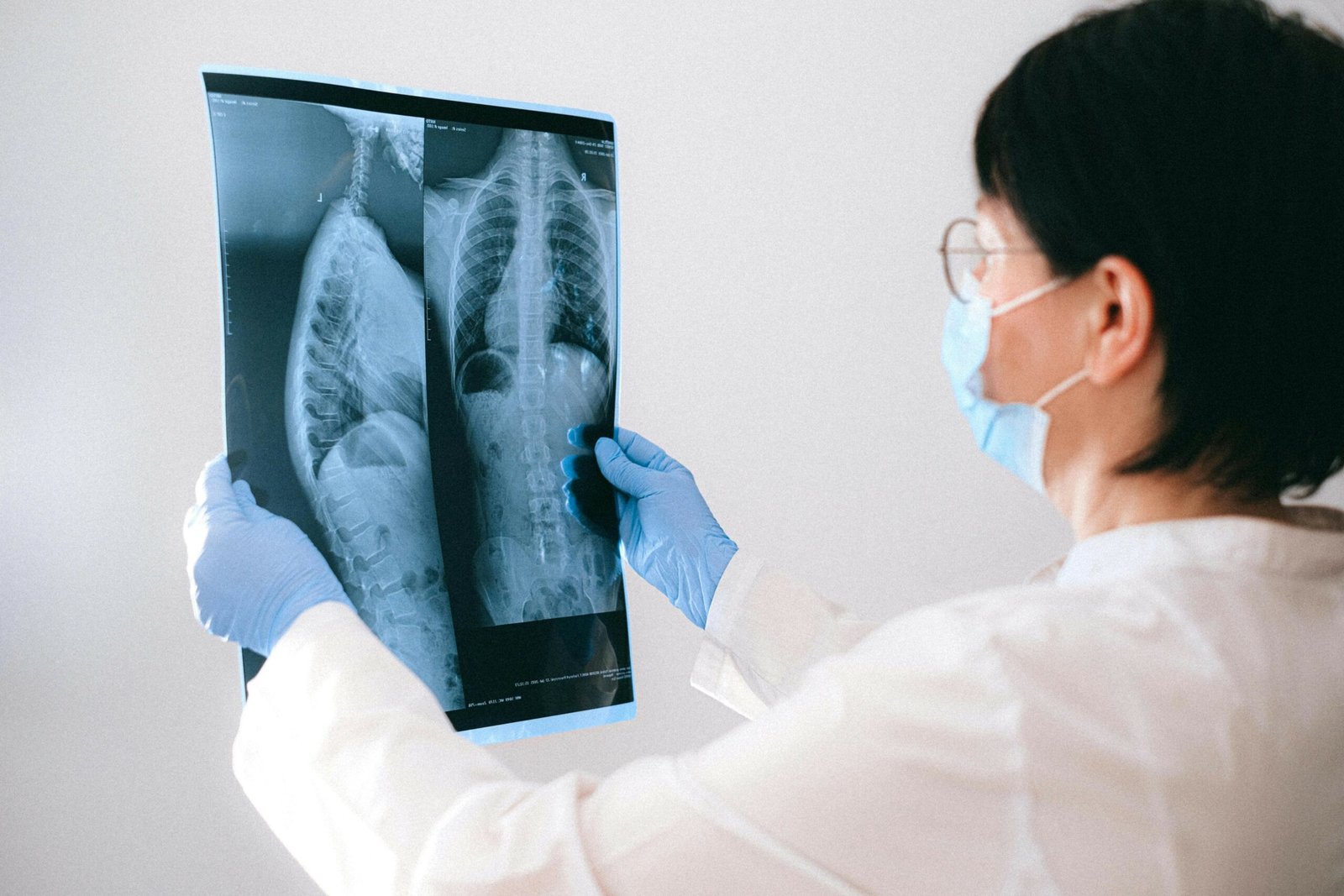
After a sudden impact or an awkward twist, the resulting chest pain can be confusing. Is it just a pulled muscle, or did you actually break a bone? While only a professional medical exam can provide a definitive answer, understanding the specific mechanical differences between these injuries is the first step toward the right recovery.
1. The "Point Test" (Localization)
- Muscle Strain: The pain is usually "broad" and spread across a general area where the intercostal muscles have been overstretched.
- Fracture: The pain is typically sharp and pinpoint localized. You can often identify the exact spot of the injury because it is extremely sensitive to even light touch (Ozgur et al., 2025).
2. Deep Breath vs. Torso Twist
- Muscle Strain: The discomfort often intensifies when you move your arms, reach overhead, or twist your waist, as these actions pull on the injured muscle fibers.
- Fracture: The pain acts as a "lightning bolt" specifically when you expand your chest. This is known as pleuritic pain, where the sharp sensation spikes during inhalation, coughing, or sneezing (Işıklı et al., 2024; Ozgur et al., 2025).
3. The "Morning Stiffness" Factor
- Muscle Strain: Like most muscular injuries, it may feel stiff in the morning and slightly "warm up" or loosen as you move gently throughout the day.
- Fracture: A fractured rib does not warm up. The pain remains sharp and constant because every breath creates mechanical stress at the fracture site (Ozgur et al., 2025).
4. The "Cough Test"
- Muscle Strain: Coughing is uncomfortable but usually doesn't feel like a structural failure.
- Fracture: Coughing is often the most painful experience for the patient, as the sudden internal pressure causes the fractured bone ends to irritate the surrounding tissues (Ozgur et al., 2025).
Why "Doing Nothing" is the Wrong Choice for Both
Whether the bone is broken or the muscle is torn, your body’s reaction is the same: you instinctively start breathing shallowly to avoid the pain.
- Shared Risks: Both injuries reduce chest wall stability and respiratory volume (Işıklı et al., 2024; Ozgur et al., 2025).
- The Danger of Shallow Breathing: This protective reflex can lead to atelectasis (collapsed lung sacs), which is the most frequent complication observed in clinical studies (Ozgur et al., 2025; Chrisofix Evidence Summary, 2025).
- Preventing Infection: If deep breathing is not maintained, the risk of developing pneumonia increases as mucus is not effectively cleared (Ozgur et al., 2025).
The Solution: Targeted Stabilization
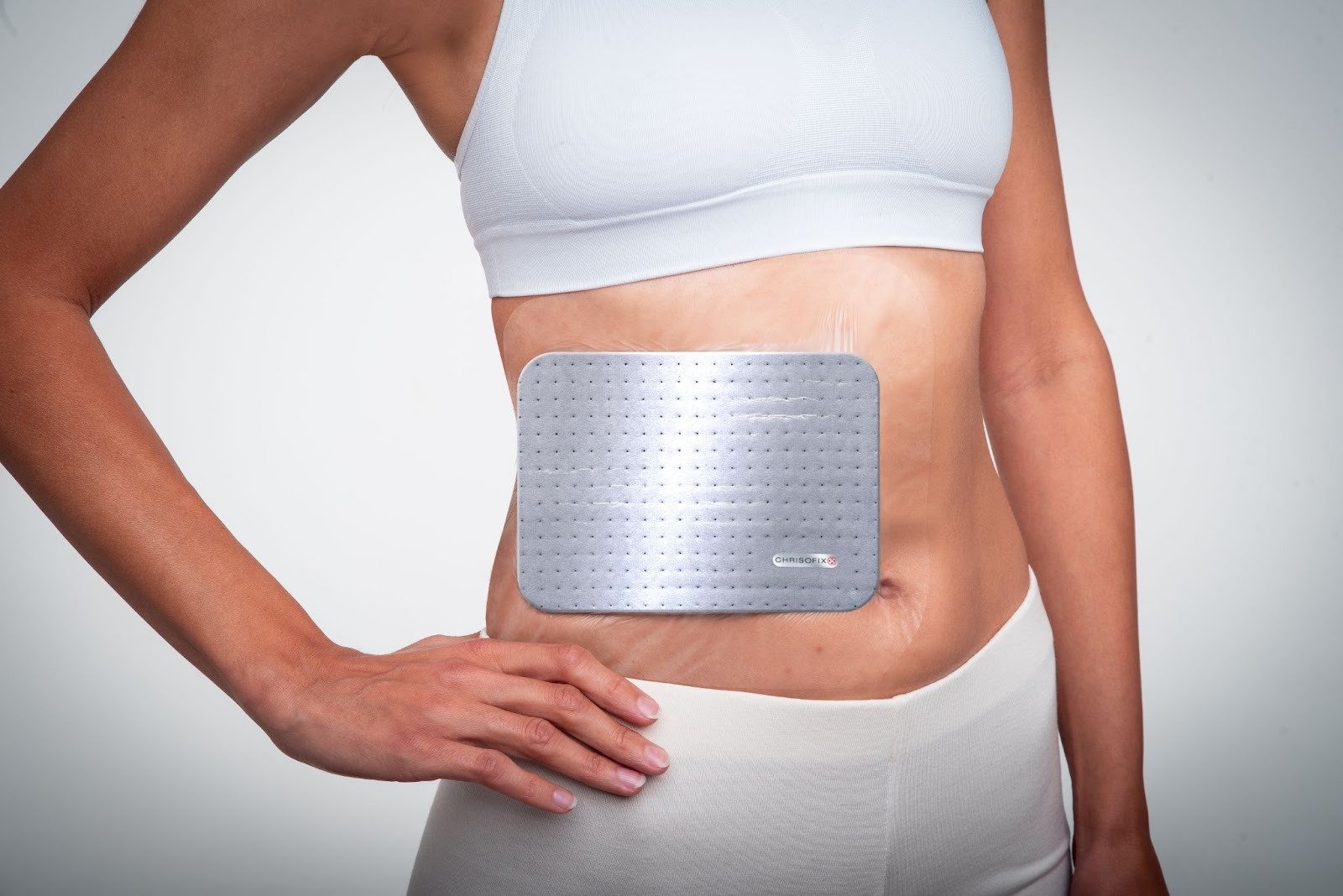
Instead of global restriction like tight bandages—which can actually increase the risk of lung collapse—modern care focuses on localized support (Chrisofix IFU, 2025). Learn more about the latest modern treatments for rib fractures.
- For Fractures: Stabilization reduces the painful "micro-movements" of the bone ends (Chrisofix IFU, 2025).
- For Strains: It provides a "splinting" effect for the muscles, allowing them to rest while you maintain normal breathing patterns.
- Proven Results: Clinical evidence shows that proper external stabilization leads to lower pain scores and significantly shorter hospital stays (Ozgur et al., 2025).