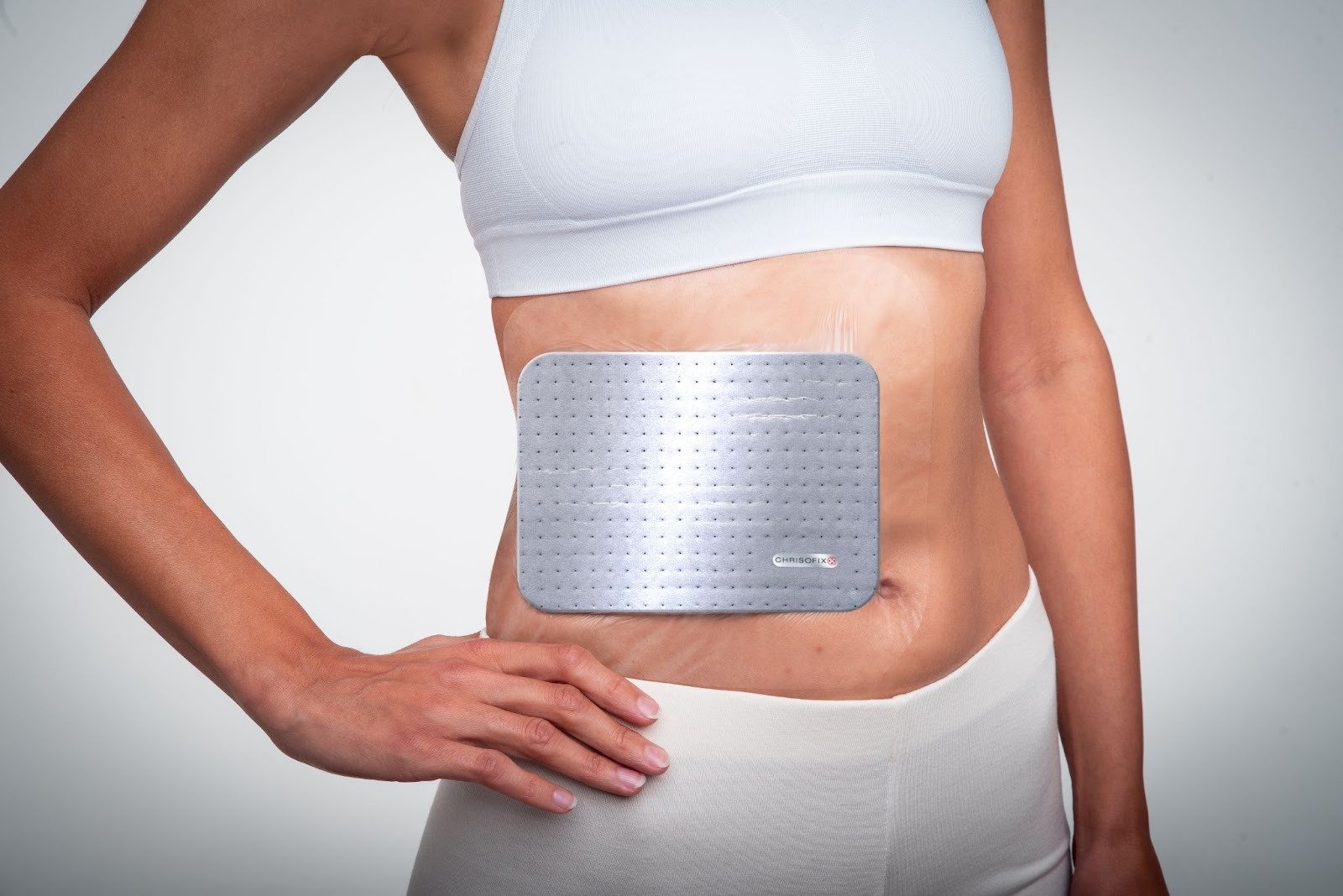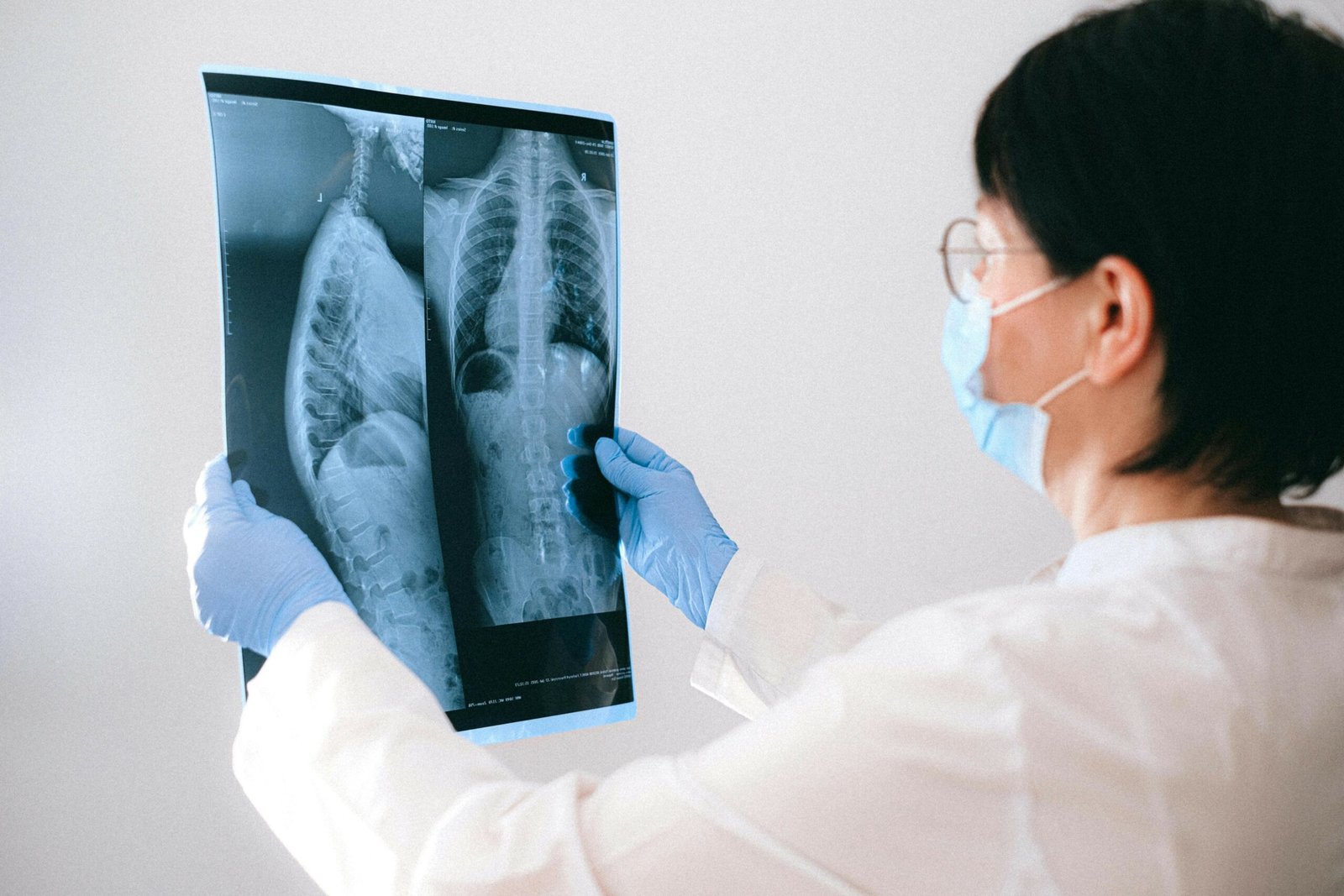
Before focusing on recovery, it is important to confirm your injury; if you are still unsure of your condition, you can read our guide on common rib fracture symptoms first. But if you have already been diagnosed with a rib fracture, the next question is usually: ,,How long does it take to heal?". Rib fractures are unique compared to many other bone injuries because they are rarely immobilized in the traditional sense, yet they need stability to heal properly (Ozgur et al., 2025). Understanding how the healing process works makes a significant difference in both recovery time and overall comfort.
The biological healing process
Rib fractures heal through the same biological process as other bones, but with an added challenge: constant movement from breathing (Ozgur et al., 2025). The process involves three main phases:
- Inflammation phase (first few days): Characterized by significant pain, swelling, and limited mobility (Ozgur et al., 2025).
- Bone repair phase: This involves the formation of new bone tissue, called a callus, which gradually stabilizes the fracture (Ozgur et al., 2025).
- Remodeling phase: The final stage where the bone gradually strengthens and reshapes itself (Ozgur et al., 2025).
How long does healing take?
Healing time varies depending on the severity of the fracture, but clinical standards provide a general timeline:
- Uncomplicated fractures: Most simple rib fractures heal within 4 to 6 weeks (Ozgur et al., 2025).
- Complex cases: For multiple or displaced fractures, recovery can take longer, sometimes up to 8 weeks or more (Ozgur et al., 2025).
- Residual pain: It is important to note that "healed" does not always mean symptom-free; pain can persist if the fracture was unstable or if breathing patterns were affected during recovery (Ozgur et al., 2025).
Why the Healing Process is Challenging
What makes rib fractures unique is that the chest is in constant motion. Every breath, cough, or movement of the upper body creates small forces at the fracture site (Ozgur et al., 2025).
- Micro-movements: Without some form of stabilization, repeated micro-movements can lead to increased pain and delayed healing (Ozgur et al., 2025).
- Respiratory Function: Reduced chest wall stability can limit respiratory volume, making it harder to take deep breaths and clear airway secretions effectively (Işıklı et al., 2024).
- Recovery Success: Clinical observations show that better pain control and improved breathing mechanics are associated with faster recovery and fewer complications (Ozgur et al., 2025).
While you cannot dramatically accelerate the biological process of bone healing, you can create conditions that allow it to happen more efficiently by improving stability and maintaining normal breathing patterns (Ozgur et al., 2025; Işıklı et al., 2024).