Recovery, Treatment and Healing Time
If you’ve already been told - or suspect - that you have a fractured rib, the next question is usually not what happened, but what now? How long does it take to heal? Will it heal on its own? And is there anything you can actually do to speed up the process?
Rib fractures are unique compared to many other bone injuries. They are rarely immobilized in the traditional sense, yet they still need stability to heal properly. Understanding how the healing process works - and what can support it - makes a significant difference in both recovery time and overall comfort.
Do rib fractures heal on their own?
In many cases, yes - rib fractures can heal on their own. This is especially true for simple (non-displaced) fractures, where the bone remains aligned.
However, ,,healing on its own” doesn’t mean the process is easy or risk-free. Because the ribs are constantly moving with every breath, they are never truly at rest. This continuous motion can prolong pain and slow down recovery if not properly managed.
More importantly, pain often leads to shallow breathing, which can interfere with normal lung function and increase the risk of complications such as atelectasis or pneumonia (Ozgur et al., 2025). That’s why even though the bone can technically heal without intervention, supporting the healing environment is critical.
How do rib fractures heal?
Rib fractures heal through the same biological process as other bones, but with an added challenge: constant movement.
Like any bone, a rib fracture heals through a biological process involving inflammation, repair, and remodeling.
The healing process:
- Inflammation phase (first few days): pain, swelling, limited mobility
- Bone repair phase: formation of new bone (callus)
- Remodeling phase: gradual strengthening and reshaping of the bone
In the first phase, the body responds with swelling and pain. This is followed by the formation of new bone tissue (callus), which gradually stabilizes the fracture. Over time, the bone reshapes and regains strength.
What makes rib fractures unique is that this process happens while the chest is in constant motion. Every breath, cough, or movement of the upper body creates small forces at the fracture site. Without some form of stabilization, this can lead to repeated micro-movements, increased pain, and delayed healing.
At the same time, reduced chest wall stability can limit respiratory volume, making it harder to take deep breaths and clear airway secretions effectively (Işıklı et al., 2024).
How long does it take for a fractured rib to heal?
Healing time varies depending on the severity of the fracture, but most uncomplicated rib fractures heal within: 4 to 6 weeks
In some cases - especially with multiple or displaced fractures - recovery can take longer, sometimes up to 8 weeks or more.
However, “healed” doesn’t always mean symptom-free. Pain can persist beyond the initial healing phase, particularly if the fracture was unstable or if breathing patterns were affected during recovery.
Clinical observations show that better pain control and improved breathing mechanics are associated with faster recovery and fewer complications (Ozgur et al., 2025).
What can you do to support healing?
Even though rib fractures are often treated conservatively, there are still important things you can do to support recovery.
First, maintaining proper breathing is essential. Avoiding deep breaths due to pain may feel natural, but it can lead to reduced lung expansion and increase the risk of complications.
Second, staying mobile - within reason - is important. Complete immobilization is not recommended, but excessive movement that triggers pain should also be avoided.
The key challenge is finding the balance between stability and mobility.
How treatment is evolving: from rest to stabilization
Traditionally, rib fractures have been treated with rest, pain medication, and breathing exercises. While these methods are still important, they don’t address one key issue: the instability of the fractured rib itself.
In the past, tight chest bandaging was sometimes used, but this approach is no longer recommended because it restricts breathing and can increase the risk of complications such as atelectasis (Chrisofix IFU, 2025).
This has led to a shift toward more targeted approaches that support both stabilization and natural breathing.
A modern approach: external rib stabilization - the Chrisofix® Rib Splint
One of the most advanced non-invasive options available today is the Chrisofix® Rib Splint, a Swiss-developed external stabilization system.
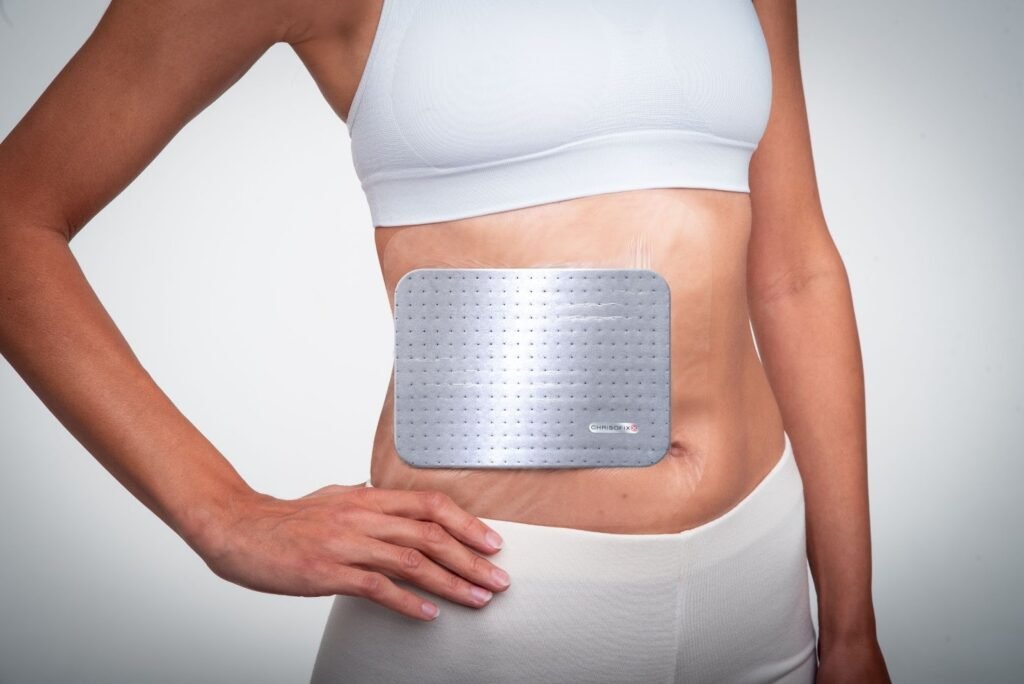
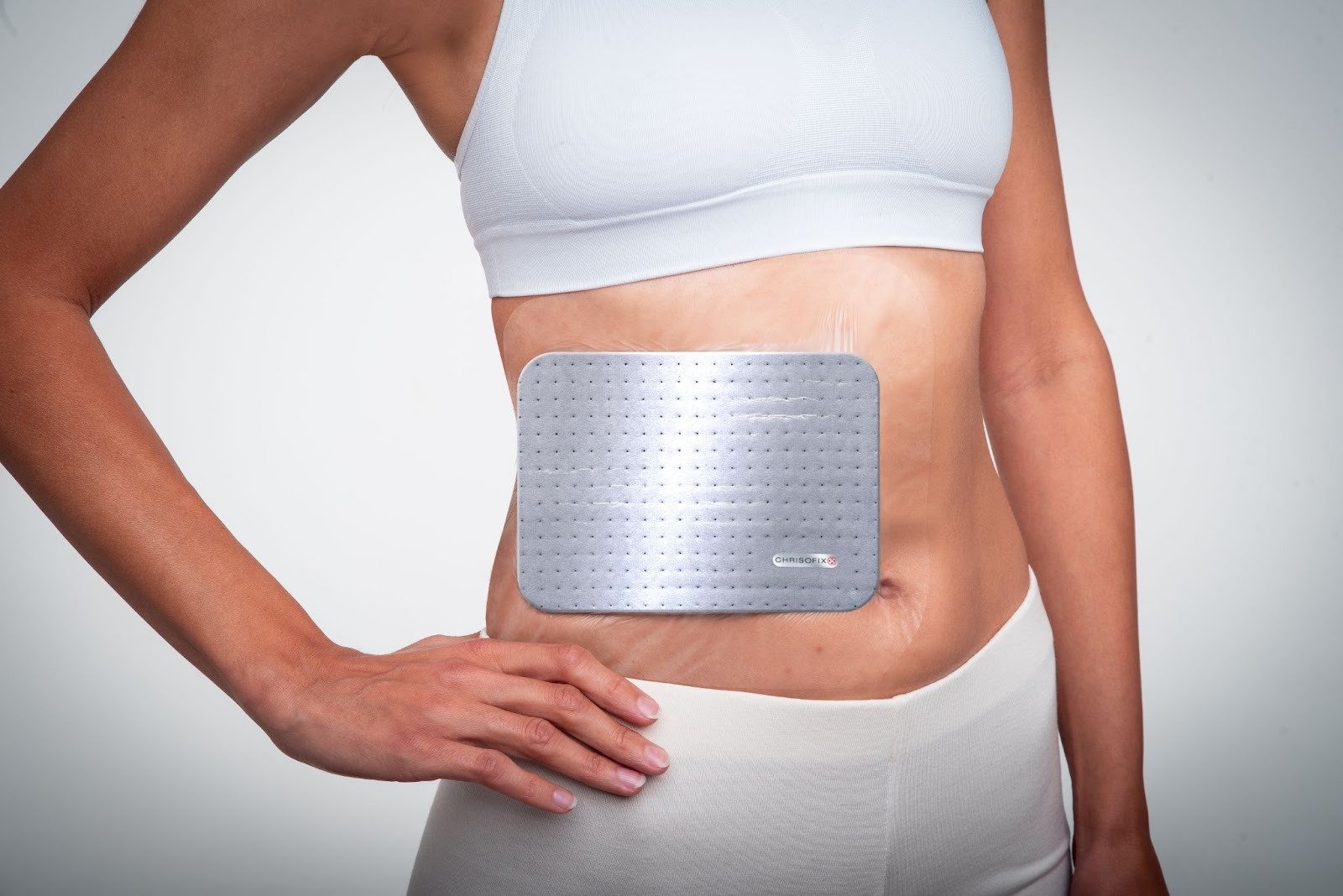
Instead of compressing the entire chest, the splint is applied directly over the injured area and moulded to the patient’s anatomy. It works by stabilizing the fractured rib segment externally, reducing painful micro-movements while still allowing the chest to expand naturally during breathing (Chrisofix IFU, 2025).
This distinction is important. Rather than restricting motion globally, it provides localized stability, which supports both healing and respiratory function at the same time.
From a recovery perspective, this has several important effects:
- Reduced pain during breathing and movement
- Improved ability to take deep breaths
- Better clearance of airway secretions
What does the evidence show?
Clinical studies provide strong support for this approach.
A study published in Injury (2025) found that patients treated with external rib stabilization experienced significantly lower pain levels and a reduced incidence of atelectasis compared to those receiving standard care. This reduction in pain allowed patients to breathe more deeply and maintain better respiratory function (Ozgur et al., 2025).
In addition, hospital stays were shorter - reduced from an average of 2.7 days to 2.0 days - suggesting faster functional recovery (Ozgur et al., 2025).
These outcomes highlight an important principle: when pain is reduced and breathing is preserved, the body is in a much better position to heal efficiently.
Can rib fractures heal faster?
This is a tricky question, because you can’t dramatically accelerate the biological process of bone healing. However, you can create conditions that allow healing to happen more efficiently and with fewer complications.
In practice, this means reducing factors that interfere with recovery.
For example, uncontrolled movement at the fracture site can repeatedly disrupt the healing process, while pain-induced shallow breathing can reduce oxygenation and increase the risk of complications. Both of these factors indirectly slow down recovery.
By improving stability and reducing pain, it becomes easier to maintain normal breathing patterns and avoid secondary issues. Clinical evidence shows that patients with better pain control and fewer respiratory complications tend to recover more quickly in functional terms, even if the biological healing timeline remains similar (Ozgur et al., 2025; Işıklı et al., 2024).
So while you may not ,,speed up” bone healing in the strict sense, you can significantly optimize recovery, making it smoother, less painful, and less complicated.
Final thoughts
Rib fractures can heal on their own, but that doesn’t mean the process should be left completely unmanaged. Because the ribs are constantly in motion, healing depends not only on time, but on how well the injury is supported.
Understanding how rib fractures heal - and what influences recovery - can help reduce pain, prevent complications, and make the entire process smoother.